

More effective charging methods are becoming more and more necessary as electromobility permeates daily life. EVs can contribute to increasing the range of fuel options for transportation. There are various benefits to using electricity as fuel that is not present in automobiles with traditional internal combustion engines. Compared to traditional automobiles, EVs are frequently more digitally connected, and many EV charging stations offer the ability to manage charging from a smartphone app. What many people refer to as “EV chargers” or “EV charging stations” is technically known as “Electric Vehicle Supply Equipment,” or “EVSE.” Since the actual charging apparatus is integrated into the car, the term “charging station” is incorrect. Instead, an EVSE only offers a secure supply of electricity to the vehicle.
Some “plug-and-play” chargers are ready to use right away, while others need to be hardwired during installation. You can learn more about the many kinds of electric car chargers in this guide, along with what qualities to consider when choosing a charging system for your plug-in electric vehicle.
A portable charger is a basic piece of equipment in every electric vehicle. Each manufacturer offers a unique product, though, with a range of charging capacities. Depending on which of its EV offers you buy or lease, the same manufacturer may offer different baseline charging equipment.
Prior to that, you must decide which EV charger is best for you by taking into account a variety of aspects.
Plug-in or Hardwired:
EV chargers come in plug-in and hardwired varieties. With plug-in systems, you can easily take the charger out to use it somewhere else or even send it back for a replacement if there’s ever a problem.
Hardwired Chargers, on the other hand, should be directly linked to your power source if they deliver more than 40 amps. This installation technique is a more long-lasting choice. An electrician must uninstall the charging unit and connect the replacement if it needs to be replaced due to issues.
Power Delivery:
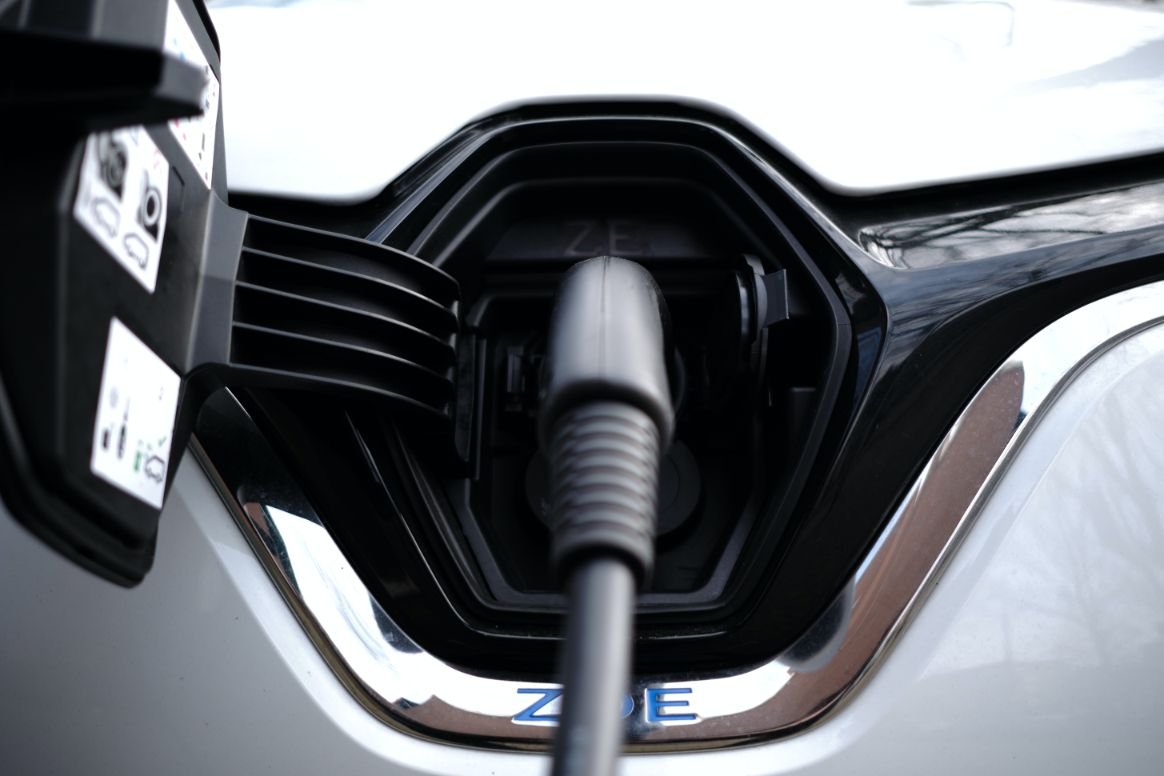
A minimum of 32 amps (7.7 kW), and ideally 40 amps (9.6 kW), should be able to be delivered to the vehicle by your EV charger. The speed at which your EV charges may significantly change as a result. Even if the EV you possess today cannot absorb that much power, it’s probable that the EV you obtain next will, and by purchasing the correct charger today, you’ll future-proof your garage. You probably don’t want to buy an underpowered charging station only to need to buy a more powerful one later.
Smart or Dumb:
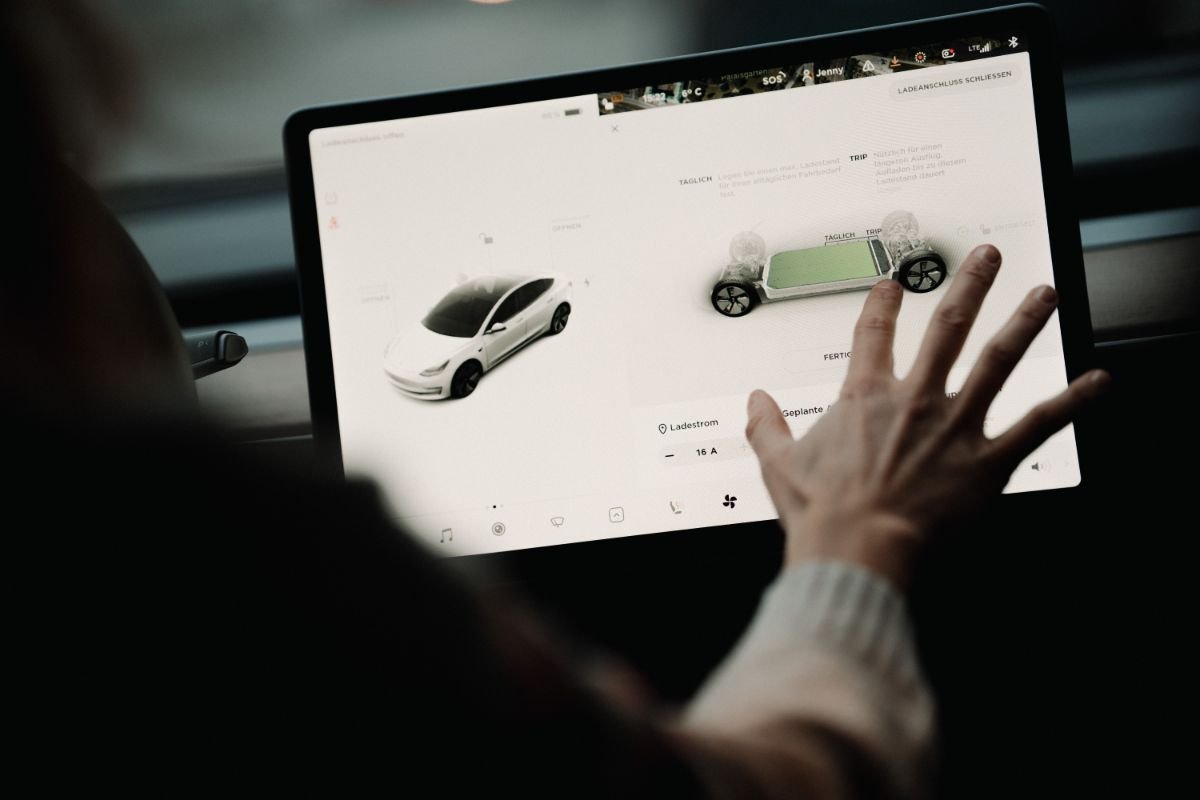
The owner of a smart charging station can monitor their charge, check the power being given, and analyze statistics from previous charging sessions by connecting to WiFi or a PLC. This form of charger normally costs a few hundred dollars more, but it gives the owner the ability to monitor exactly how much energy the vehicle is consuming and determine how much it costs to run. An EV owner can only guess how much it will cost to charge their vehicle without this feature. You should definitely invest a little extra money and purchase a smart charging station if you desire alternatives like these or are somewhat of a data geek.
Safety Assured Chargers:
When handled improperly or with subpar equipment, electricity can be harmful. Look for UL-approved versions when purchasing any type of EV charger. The EV charging equipment that is currently offered online is of poor quality, is cheap, has a short warranty, and is not safety-certified. If a charger is UL approved, it means that it has undergone independent testing by the nonprofit safety group Underwriters Laboratory.
Cable length:

The wires that come with EV chargers can range in length from 12 feet to 25 feet. Pick one with a cable long enough to reach your car’s charging connection from any parking location. To ensure shock protection and safety while charging in rainy conditions, make sure the cable connecting your charging station to the automobile is constructed from durable materials.
Wireless EV Chargers:
We may eagerly anticipate the development of wireless EV chargers. In 2023, the GV60 electric SUV from Hyundai’s luxury brand will come standard with this feature. Tesla, Ford, Volvo, Hyundai, and Kia all promote this technological function.
A power receiver for the car, a wall box connected to the power source, and a charging pad attached to the box will make up the charging unit.
How Fast your EV Charger Charges:
| Power Delivery (Amps) | Power Delivery (kW) | Range Added Per Hour | 60kWh Battery Charge Time from 0% | 100 kWH Battery Charge Time from 0% |
|---|---|---|---|---|
| 12-amps (120-volt) | 1.4 kW | 4-5 miles | 43 hours | 72 hours |
| 16-amps (240-volt) | 3.8 kW | 11-15 miles | 16 hours | 26.5 hours |
| 32-amps (240-volt) | 7.7 kW | 23-31 miles | 8 hours | 13 hours |
| 40-amps (240-volt) | 9.6 kW | 29-38 miles | 6.5 hours | 10.5 hours |
| 48-amps (240-volt) | 11.5 kW | 34-46 miles | 5.5 hours | 9 hours |